
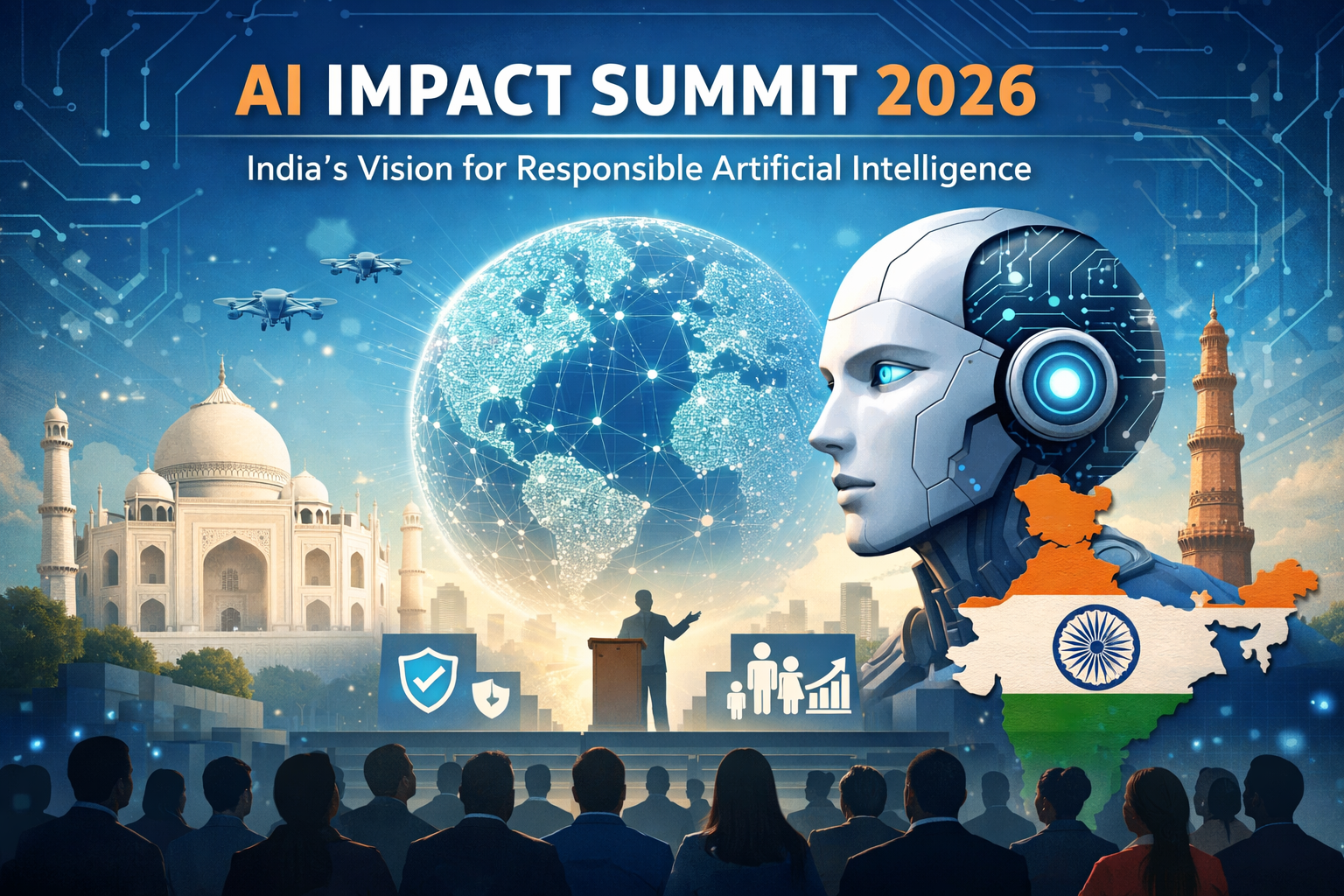
The AI Impact Summit 2026, held from February 16 to 20 in New Delhi, was a global event that brought together world leaders, technology experts, and policymakers to shape the future of artificial intelligence. Organized under the Government of India’s digital innovation initiative, the five-day summit focused on how AI can be developed and used responsibly for economic growth, social progress, and public welfare.
The event showcased India’s growing leadership in the global AI landscape, emphasizing its vision to create technology that benefits everyone. While the summit was widely praised for its ambition and innovation, a few international human-rights groups — including Amnesty International — highlighted the need for continued discussions on ethical AI use and responsible governance. Their perspectives added valuable depth to the global debate on balancing innovation with accountability.
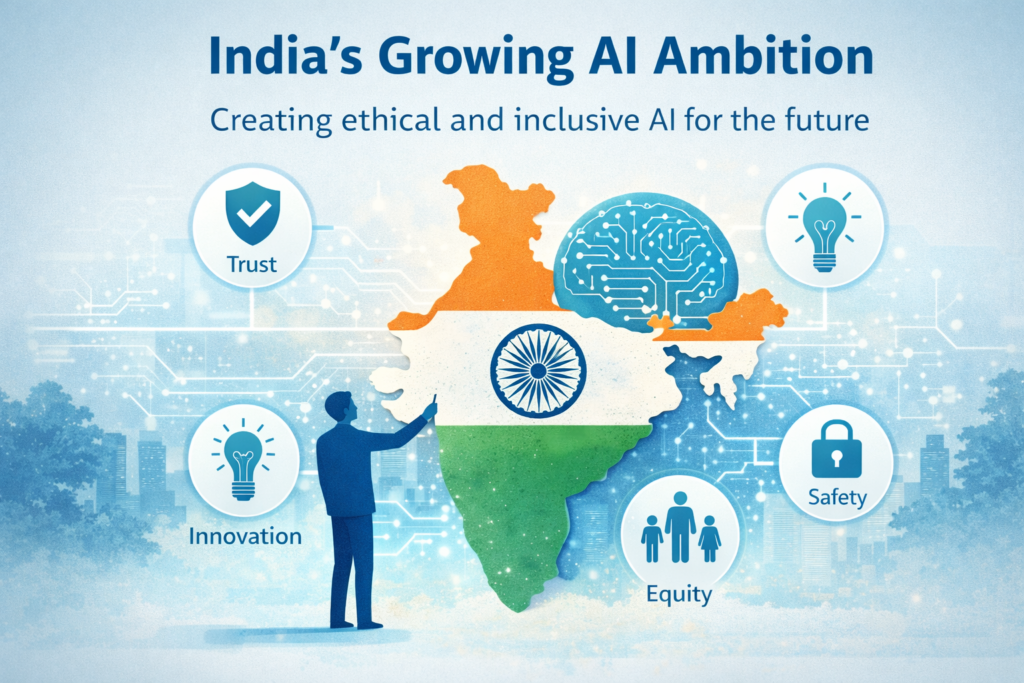
In India’s Growing AI Ambition
India’s journey in artificial intelligence has accelerated rapidly over the last few years. The government has invested heavily in digital infrastructure, AI research, and startup ecosystems.
The theme of this year’s summit, “AI for All,” reflected India’s belief that technology should not just serve a few but empower millions.
Key goals of the summit included:
-
Building a framework for ethical and responsible AI.
-
Promoting AI innovation in public services such as education, healthcare, and agriculture.
-
Strengthening international cooperation on AI policy.
-
Encouraging startups and research institutions to collaborate for inclusive growth.
Speakers included global CEOs, government leaders, and AI experts who discussed how technology can create jobs, improve governance, and boost economic productivity.
India highlighted how AI has already begun to transform:
-
Healthcare: Faster diagnostics, predictive models, and remote treatment.
-
Agriculture: Smart irrigation, crop forecasting, and waste reduction.
-
Education: Adaptive learning and personalized student experiences.
-
Public welfare: Efficient data systems to deliver benefits quickly.
A Global Platform for AI Collaboration
The summit was not just about India — it was a global conversation.
Delegates from countries including the United States, Japan, Germany, and the United Kingdom participated in discussions on how AI can be used to solve major global problems like climate change, economic inequality, and access to healthcare.
Some of the key topics discussed included:
-
Global cooperation on AI safety standards.
-
Balancing data privacy with innovation.
-
Preventing AI-driven misinformation and deepfakes.
-
Ensuring fair access to AI technologies in developing nations.
The message was clear: AI is not just a tool of technology but a tool for transformation — and collaboration is the only way to ensure its benefits reach everyone.
Concerns Raised by Experts and NGOs
While the summit celebrated innovation, human-rights experts shared some important cautionary notes.
Organizations like Amnesty International suggested that the world must also pay attention to the ethical and social impact of AI.
Their concerns were not directed against India specifically but were part of a global call for responsible AI. They emphasized that:
-
AI systems, when used for surveillance or automated decision-making, must be transparent and accountable.
-
Governments should ensure data privacy and fairness.
-
Marginalized groups should not face discrimination due to automated systems.
These points are part of a worldwide conversation. Even in Western countries, debates are growing around the safe use of AI in areas like policing, welfare distribution, and digital identity systems.
Balanced Reactions to the Debate
Several Indian technology experts responded positively to these discussions, saying that constructive criticism helps build stronger AI frameworks.
They agreed that India’s ambition to become a global AI leader should go hand-in-hand with clear policies protecting individual rights and data security.
Policymakers have already been taking steps in that direction. India’s new Digital Personal Data Protection Act and the proposed National AI Mission are examples of how the government is building systems that promote both innovation and ethical use.
Building a Responsible AI Ecosystem
To maintain its leadership, India aims to create an ecosystem where AI is transparent, inclusive, and accountable.
Experts at the summit highlighted several key principles for future growth:
1. Transparency in AI
Citizens should know where and how AI is being used — especially in government services, public safety, and welfare schemes. This helps build trust and prevents misuse.
2. Data Protection
Strong data laws ensure that personal information remains secure and is not exploited by companies or hackers.
3. Fair Access
AI tools should benefit not just large corporations but also small businesses, students, and farmers.
4. Public Participation
The government is encouraging startups, civil-society groups, and local innovators to contribute to AI development.
5. Education and Skills
Investing in AI-based learning and training can prepare India’s youth for the future workforce.
Real-World Examples of India’s AI Progress
The summit also showcased practical examples of how AI is helping India grow:
-
Healthcare Innovation:
AI models predicting disease outbreaks, helping doctors make quicker diagnoses, and reducing rural-urban healthcare gaps. -
Agricultural Development:
AI-driven weather forecasting and soil analysis tools improving crop yields. -
Urban Management:
Smart-city systems managing traffic, water, and energy consumption efficiently. -
Startups and Entrepreneurship:
Indian AI startups gaining international recognition for innovative, low-cost solutions in education, fintech, and automation.
These examples demonstrate that India’s AI vision is not just theoretical — it’s happening on the ground.
Finding the Right Balance
Every major technological change brings both opportunities and risks.
AI can drive economic growth, but it must also protect citizens’ rights. Experts believe India is in a unique position to set a global example for balancing both.
By ensuring transparency, data protection, and fair usage, India can show the world how technology and ethics can progress together.
The government has already announced initiatives to:
-
Create a National Framework for Ethical AI.
-
Support AI research centers across universities.
-
Build public-private partnerships for global cooperation.
These steps are part of a long-term strategy to make India not only a technology powerhouse but also a model of responsible innovation.
Global Implications
The discussions at the India AI Impact Summit have wider global significance.
They highlight that as AI becomes more powerful, countries need collective guardrails — not to slow innovation, but to make it safer.
Many nations are now working toward:
-
Common ethical standards for AI research.
-
Cross-border collaboration for data safety.
-
Open sharing of AI technology for social good.
India’s experience and initiatives will play a crucial role in shaping this global roadmap.
A Future Built on Trust and Innovation –
The AI Impact Summit 2026 marked an important milestone in India’s journey toward becoming a global leader in artificial intelligence.
The conversations, debates, and reflections during the summit show that India is not afraid to discuss difficult questions and seek balanced answers.
While experts continue to caution against potential risks, India’s proactive approach — combining innovation, ethics, and inclusion — gives the world a model to follow.
Artificial intelligence is changing the way we live, work, and think. India’s vision is clear:
to harness this technology not just for profit or power, but for the betterment of people and the planet.
The summit may have ended, but the work it started — to create a fair, transparent, and human-centric AI future — has only just begun.
India AI Summit:- https://impact.indiaai.gov.in/
Also Read- How Agentic AI Is Quietly Revolutionizing Procurement in 2026 | Full Explanation & Insights
Also Read – US Supreme Court Blocks Trump’s Global Tariffs: Big Relief for India, Markets Rally as Trade Tensions Ease